Working with the Land
Working with the Land
We are in relationship with the land.
Oneida Lands
The Oneida people of Wisconsin trace our origins to what is now central New York, where we are part of the Haudenosaunee Confederacy alongside the Mohawk, Onondaga, Cayuga, Seneca, and Tuscarora nations. Together, the confederacy once cared for over 30 million acres of land. After the Revolutionary War, settlers pressed into our territories, gradually reducing the Oneida land base in New York from 5.5 million acres to 250,000 acres, and eventually to just 32 acres.
As life became more difficult, families began migrating west in 1821, eventually settling on Menominee and Ho-Chunk land in Wisconsin. A treaty in 1838 formally recognized the Oneida Reservation, initially covering 65,400 acres in what is currently Brown and Outagamie counties. Later, the General Allotment Act of 1887 divided communal lands into individual parcels, further reducing land holdings.
Over generations, we have worked to reclaim and restore our reservation and ancestral lands. Today, the Oneida Nation controls approximately 35% of the reservation land in Wisconsin.
Ecological Knowledge Systems
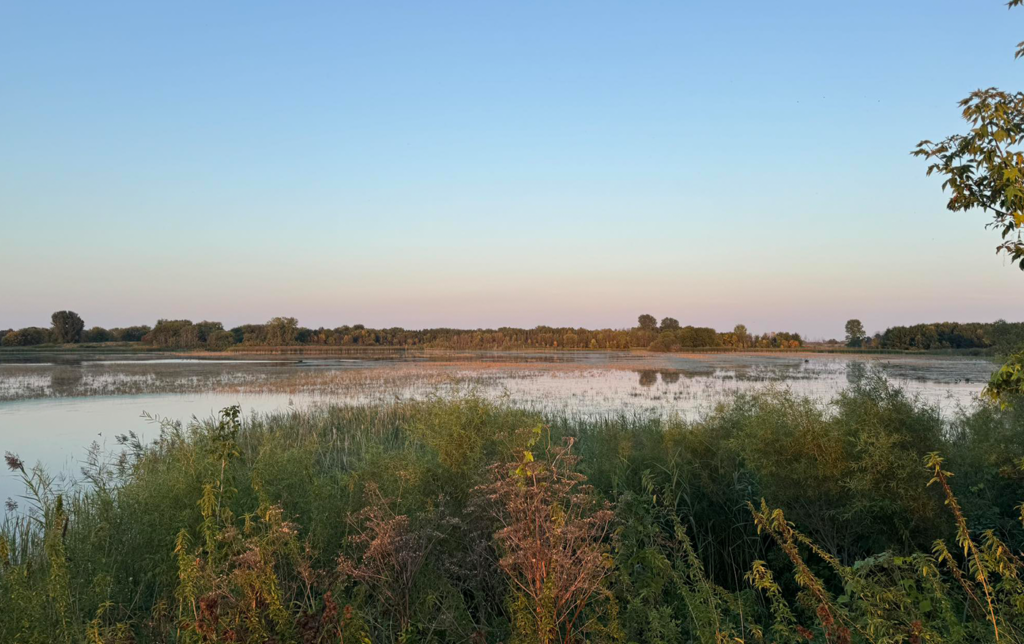
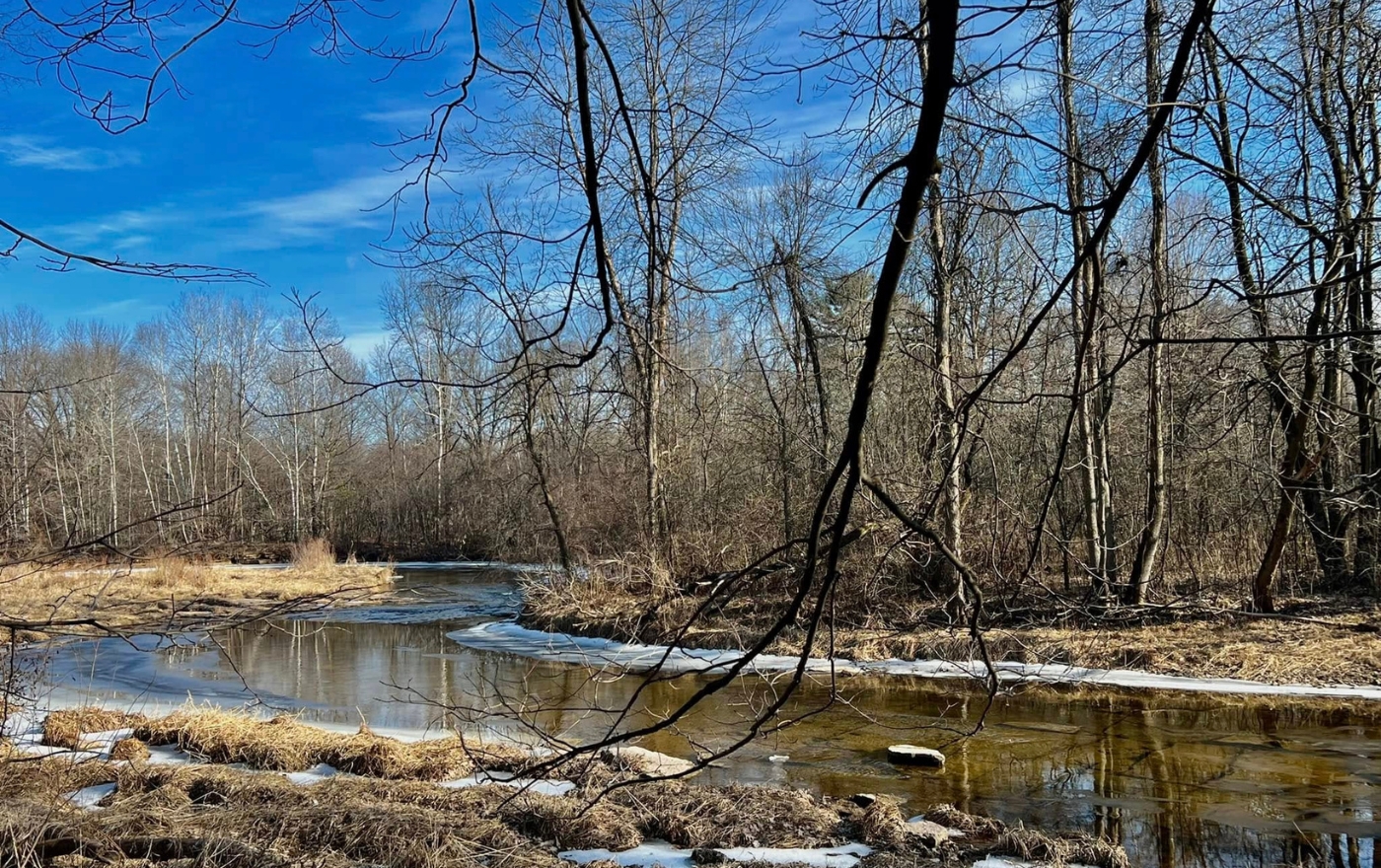
The Oneida Reservation sits in the Fox River Valley of Northeastern Wisconsin, along the Duck Creek watershed that flows into Green Bay and Lake Michigan. Here, forests, wetlands, and fields meet, creating a breathing landscape full of memory and ecological knowledge. Rivers feed the soil, trees shelter the fields, and wetlands hold water during heavy rains—each part supporting the others. Every element of the landscape has a story to tell—from the trees and flowers to the grasses, wildlife, soil, and weather patterns.
Among ecosystems, Ohe·láku plants Indigenous corn varieties into the land. Together we are learning about place, growing in rebuilding soils and micro climates, and adapting across the seasons.
Community Co-Stewardship of Tribal Lands
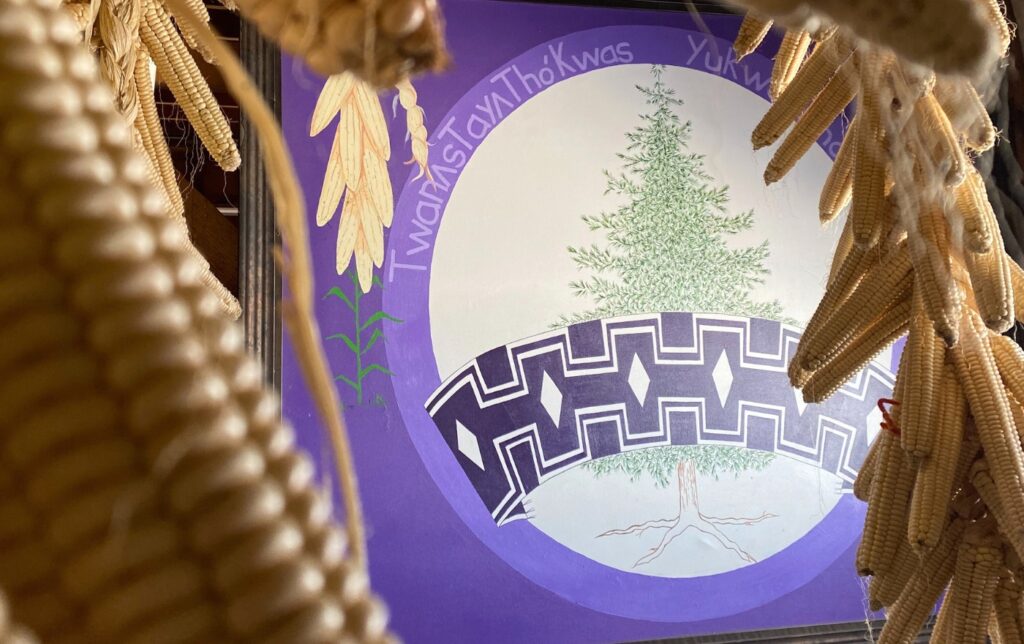
The emergence of Ohe·láku has opened the door for a localized co-stewardship model between the Oneida Nation government, Oneida nonprofits like Ohe·láku and Ukwakhwa, and Oneida business owners like Kahulahele Farmstead and others. Ohe·láku is an independent agricultural organization made up of Haudenosaunee families collaborating with Nation leaders, tribal employees, and local farmers to steward 60 acres of tribal land.
We’ve advocated for communal growing spaces and secured both short- and long-term land leases with the Oneida Nation. We’ve also received advisory support on land and watershed stewardship practices which help us respond thoughtfully to the needs of the land.
Our partnership ensures the Oneida community is actively engaged in caring for Tribal Lands. Our work strengthens the Nation’s food system, education, land management practices, and research—supporting Native-led sectors and Tribal sovereignty.
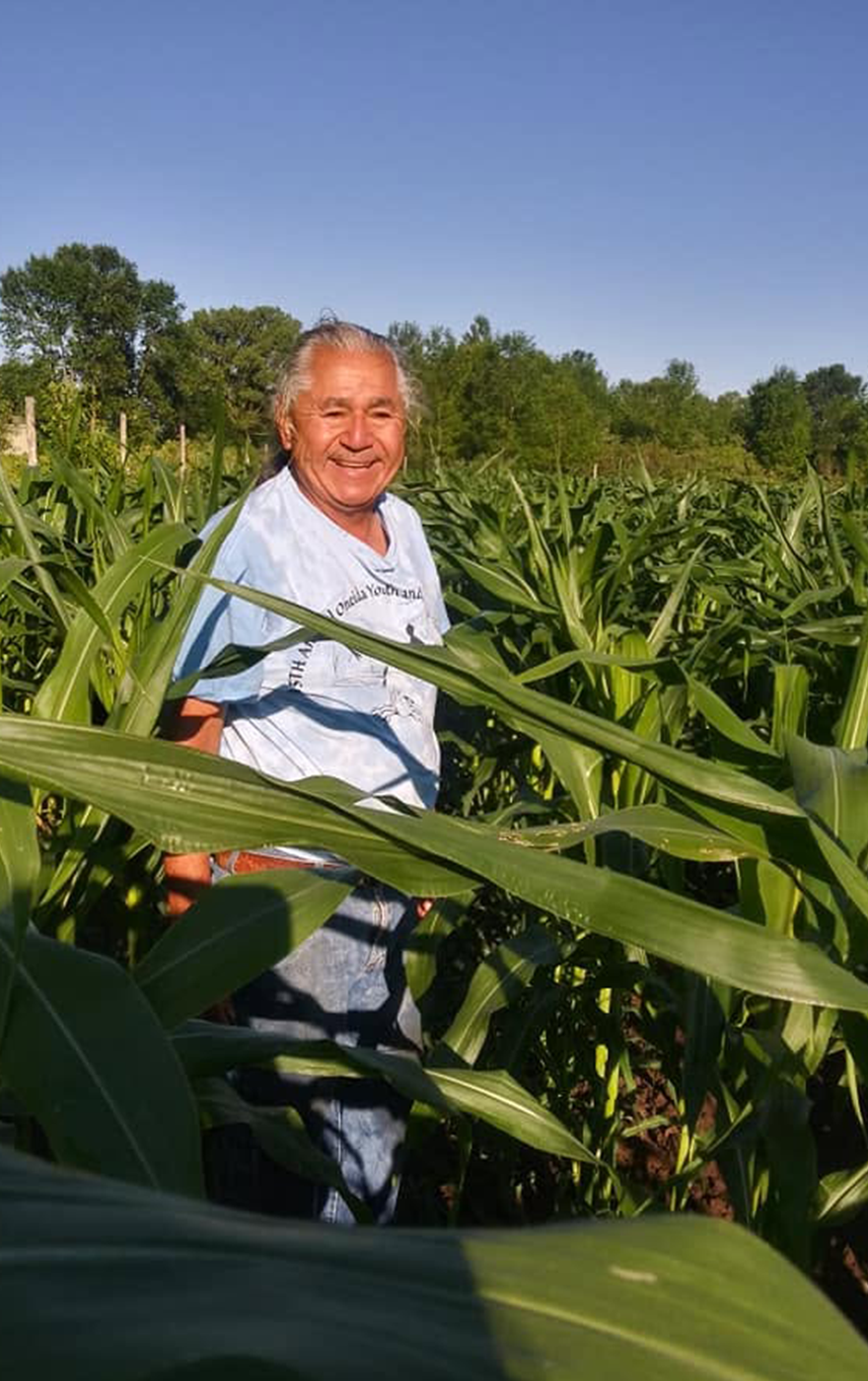
Land Stewardship
Land Stewardship
-
- Caring for soil through low- or no-till practices, cover cropping, and crop rotation
- Protecting water and wetlands through mindful management, buffer zones, and riparian restoration
- Supporting wildlife and pollinators with habitat creation and ecological balance
- Practicing sustainable harvesting, intercropping, companion planting, and integrated pest management
- Using energy-conscious and climate-resilient methods, including drought-tolerant varieties and mulching
- Caring for soil through low- or no-till practices, cover cropping, and crop rotation
- Protecting water and wetlands through mindful management, buffer zones, and riparian restoration
- Supporting wildlife and pollinators with habitat creation and ecological balance
- Practicing sustainable harvesting, intercropping, companion planting, and integrated pest management
- Using energy-conscious and climate-resilient methods, including drought-tolerant varieties and mulching
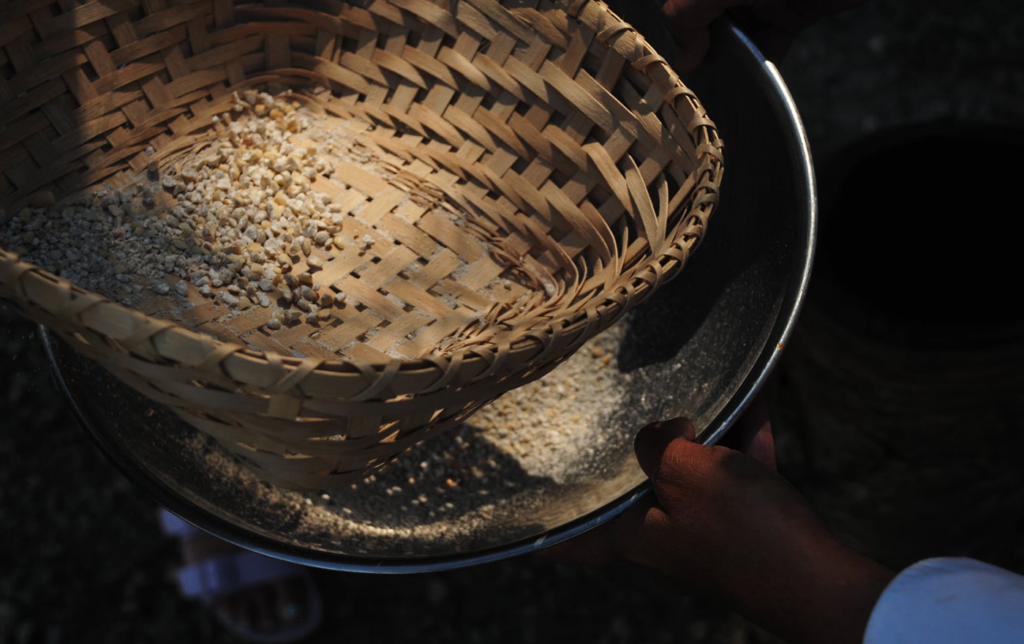
Cultural Practices
Cultural Practices
-
- Honoring cultural ceremonies and protocols
- Following Tribal laws and codes
- Prioritizing traditional foods and the rights of nature
- Restoring native plants and tending to traditional medicines
- Observing seasonal indicators (phenology) to guide planting and harvesting
- Maintaining respect and relationship with the natural world
- Honoring cultural ceremonies and protocols
- Following Tribal laws and codes
- Prioritizing traditional foods and the rights of nature
- Restoring native plants and tending to traditional medicines
- Observing seasonal indicators (phenology) to guide planting and harvesting
- Maintaining respect and relationship with the natural world

Our Fields
We steward multiple fields leased on Tribal land collectively growing Tuscarora White Corn.
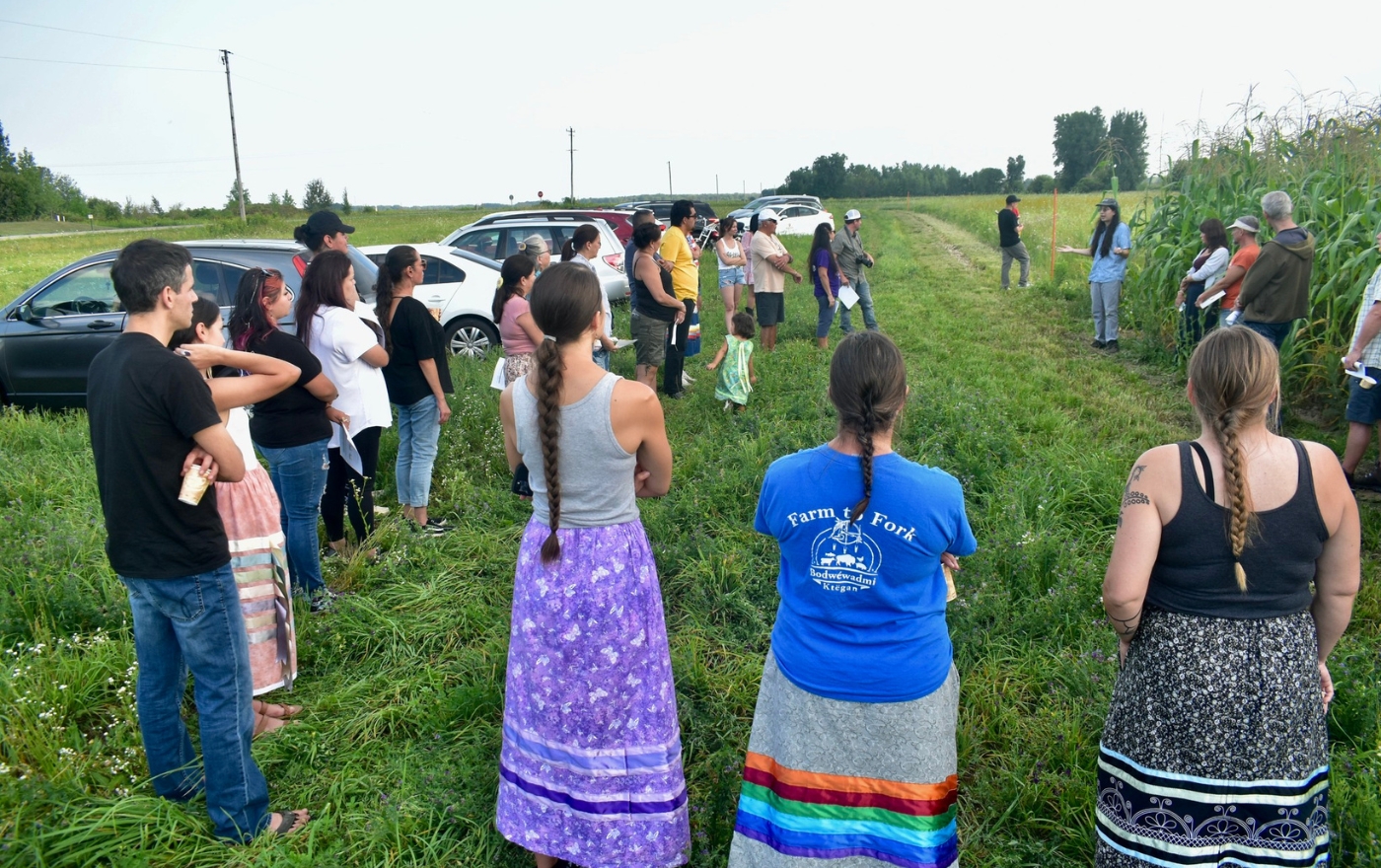
Teken Field
One of our oldest fields, Teken has served as a research site for intercropping and soil rebuilding. It is also the future site of our processing facility, bridging research with the next phase of production.
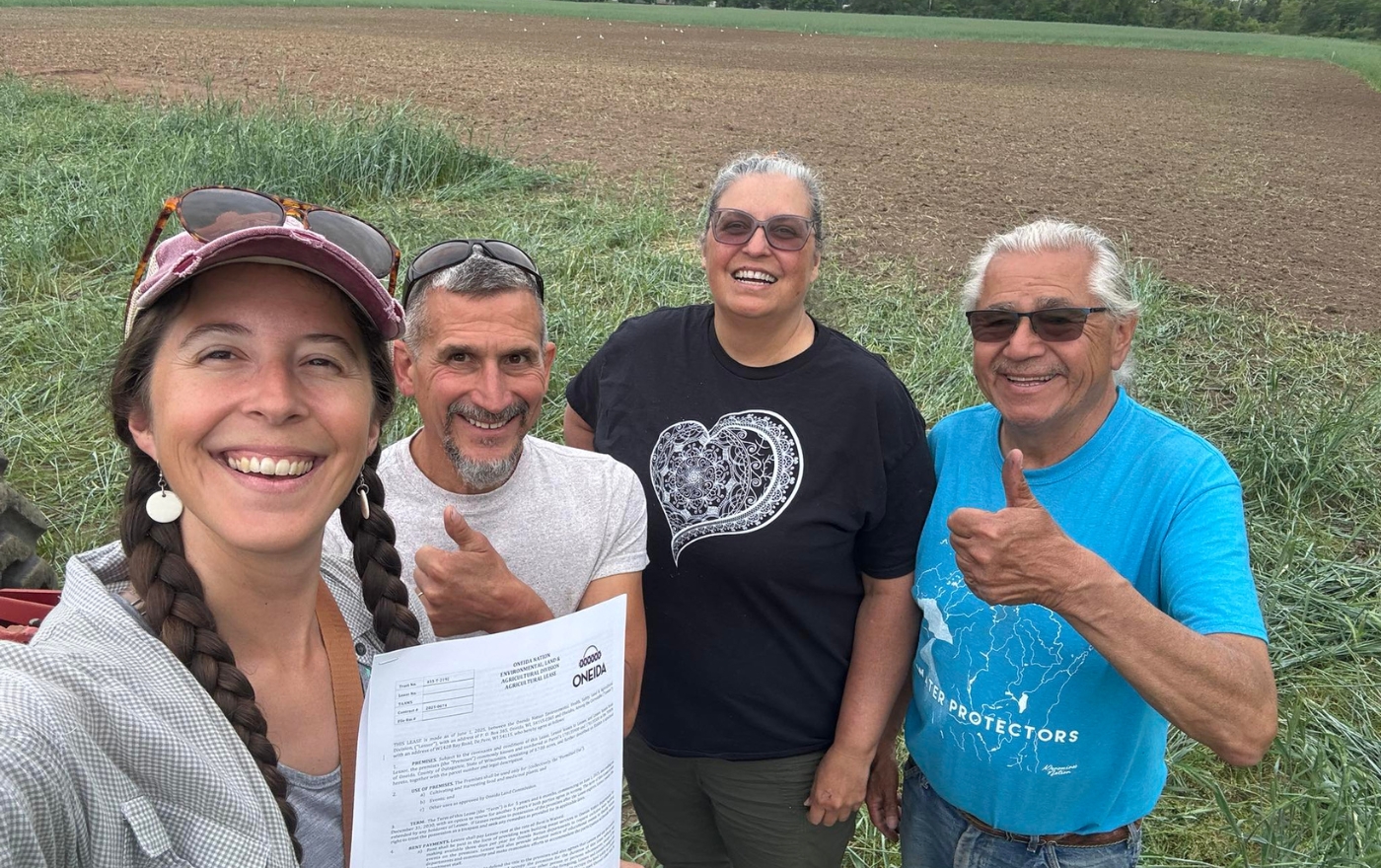
Kayé
Located north of Teken, Kayé includes two fields that serve as primary growing space. Here, we are beginning to scale harvesting and production to meet the community needs.
“When you don’t have land to grow food, you can’t carry on your culture and you can’t carry on your traditions. Everything goes back to the relationship you have with the land.”
—Laura Manthe
60 Acres
Co-stewarded Acres